
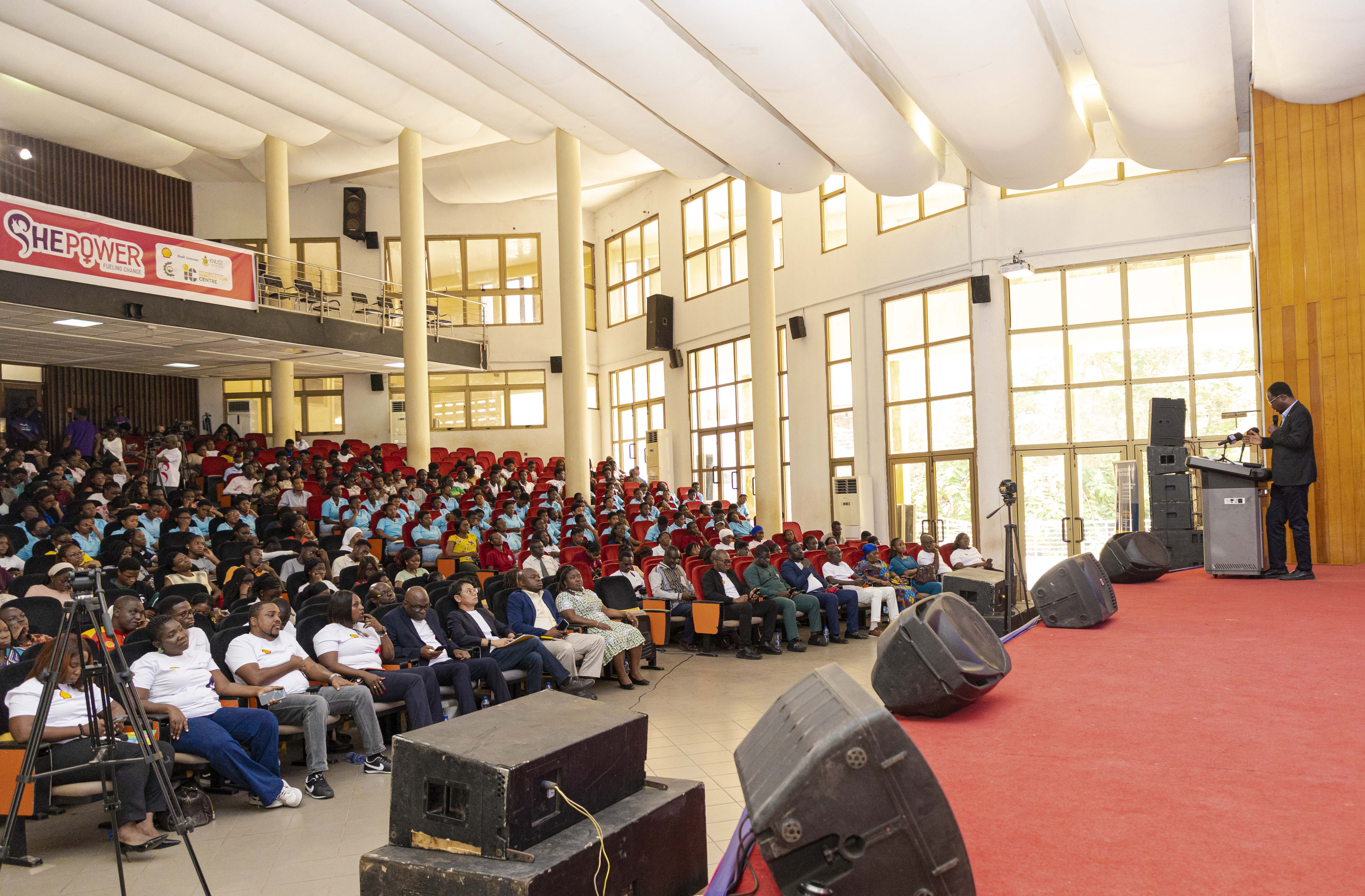
The College of Engineering at the Kwame Nkrumah University of Science and Technology, Kumasi (KNUST) in partnership with Vivo Energy Ghana, has organised a “She Power Summit” to commemorate International Women’s Day and promote opportunities for young women pursuing careers in engineering and the energy sector.
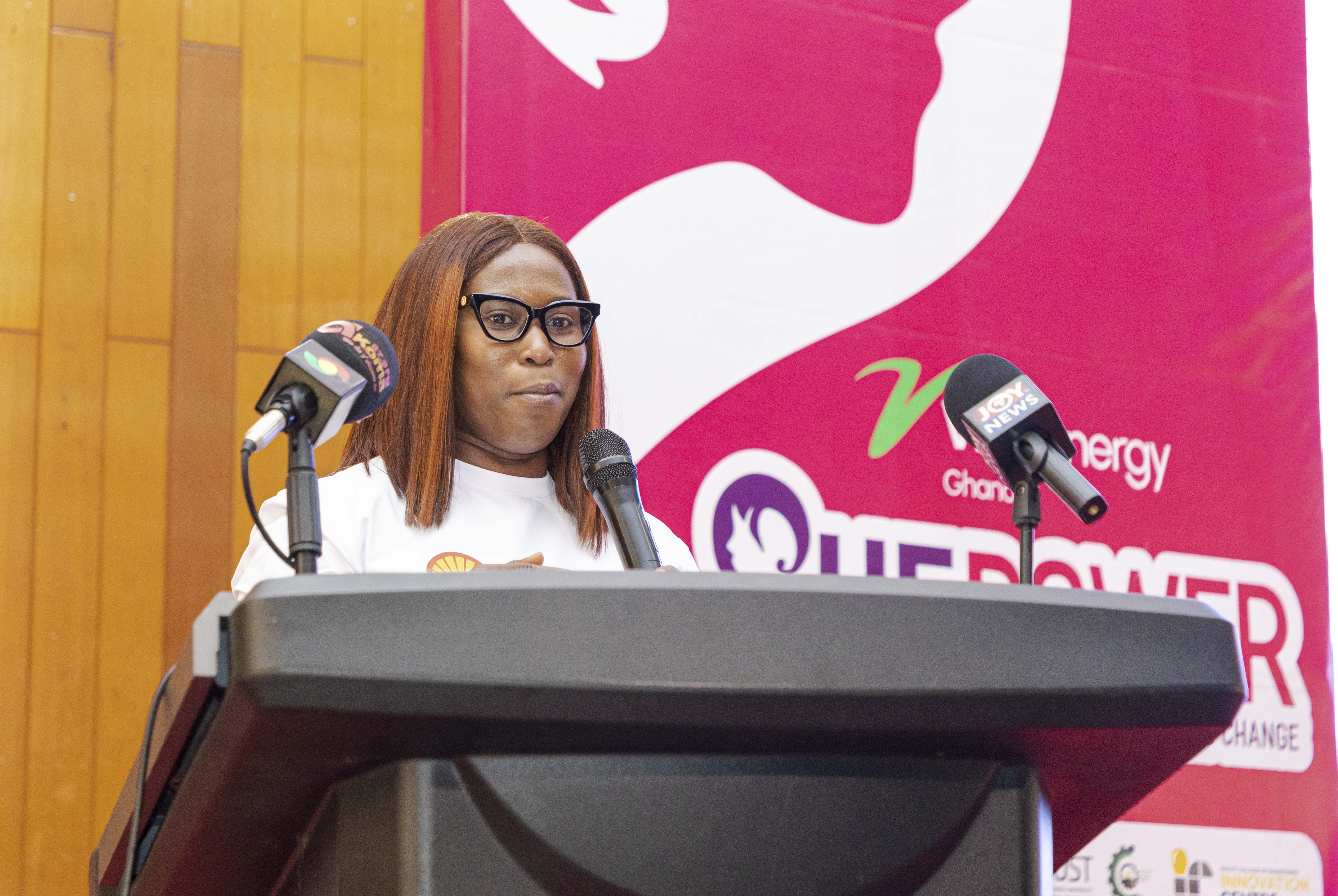
Corporate Communications Manager at Vivo Energy Ghana, Mrs. Shirley Tony Kum, said the She Power Project was established to inspire ambition among young women and connect talented students with opportunities in the energy industry.
“Over the past years, this has grown into a platform that brings together students, academia and industry leaders to have honest conversations about innovation, leadership and the future of energy,” she said.
Mrs. Tony Kum also announced the launch of the Next Generation Energy Innovators Challenge, an initiative designed to encourage students to develop practical and forward-thinking solutions to Ghana’s evolving energy needs.
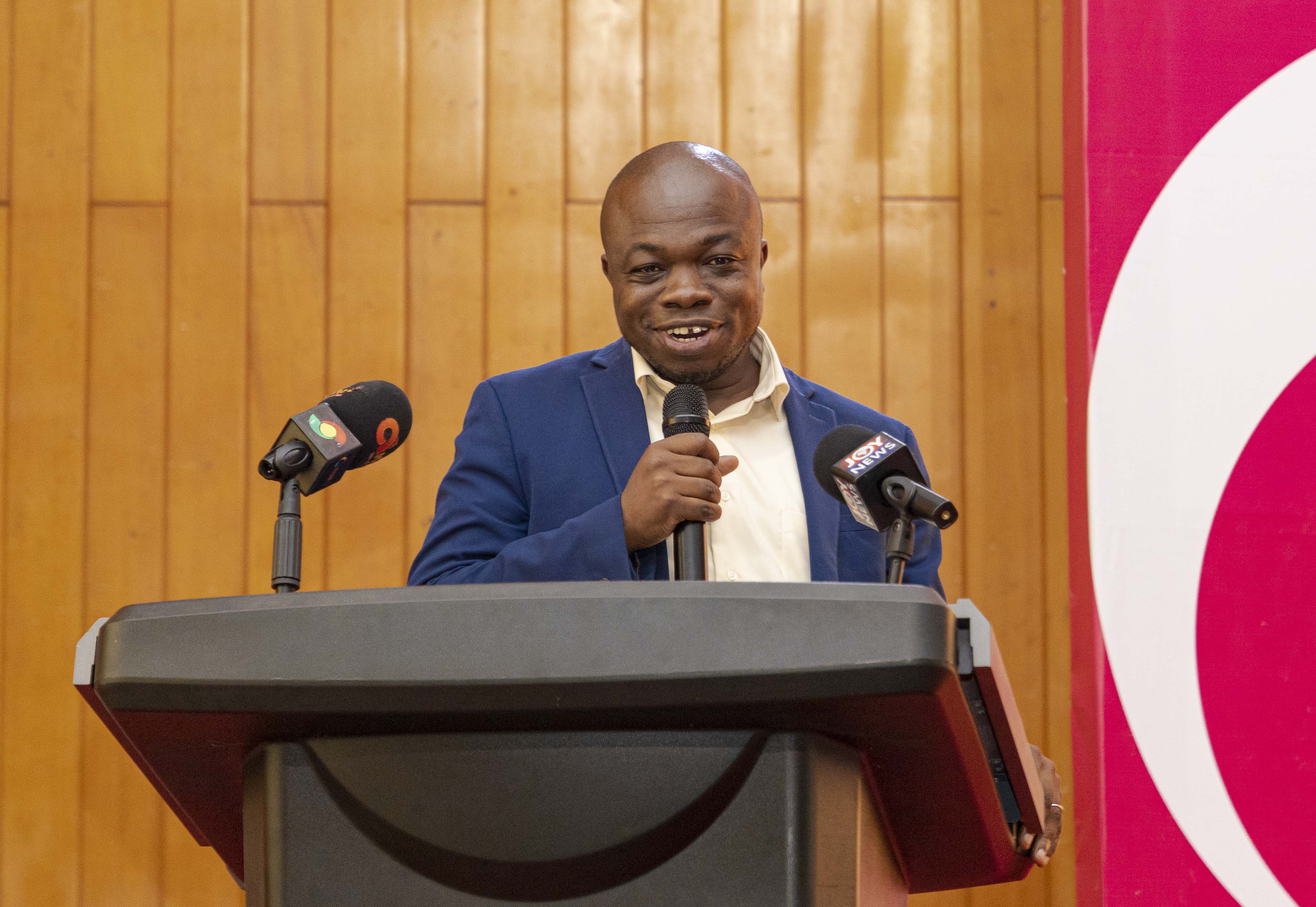
Professor Kwaku Amaning Adjei, Dean of the Faculty of Civil and Geo-Engineering, said the summit was timely as the global energy industry undergoes significant transformation towards cleaner and more sustainable systems.
“The future of energy must also be inclusive. For far too long, women have been underrepresented in engineering, but gradually the narrative is changing,” he said.
He added that initiatives such as the summit play an important role in accelerating progress by providing mentorship, exposure and networking opportunities for young women.
“The energy sector needs your ideas, your creativity and your leadership,” he said.
Prof. Adjei further highlighted the importance of collaboration between academia and industry in nurturing innovation and preparing students for real-world impact.
“Universities can provide talent, but industry provides the platform where innovation can make an impact,” he said.
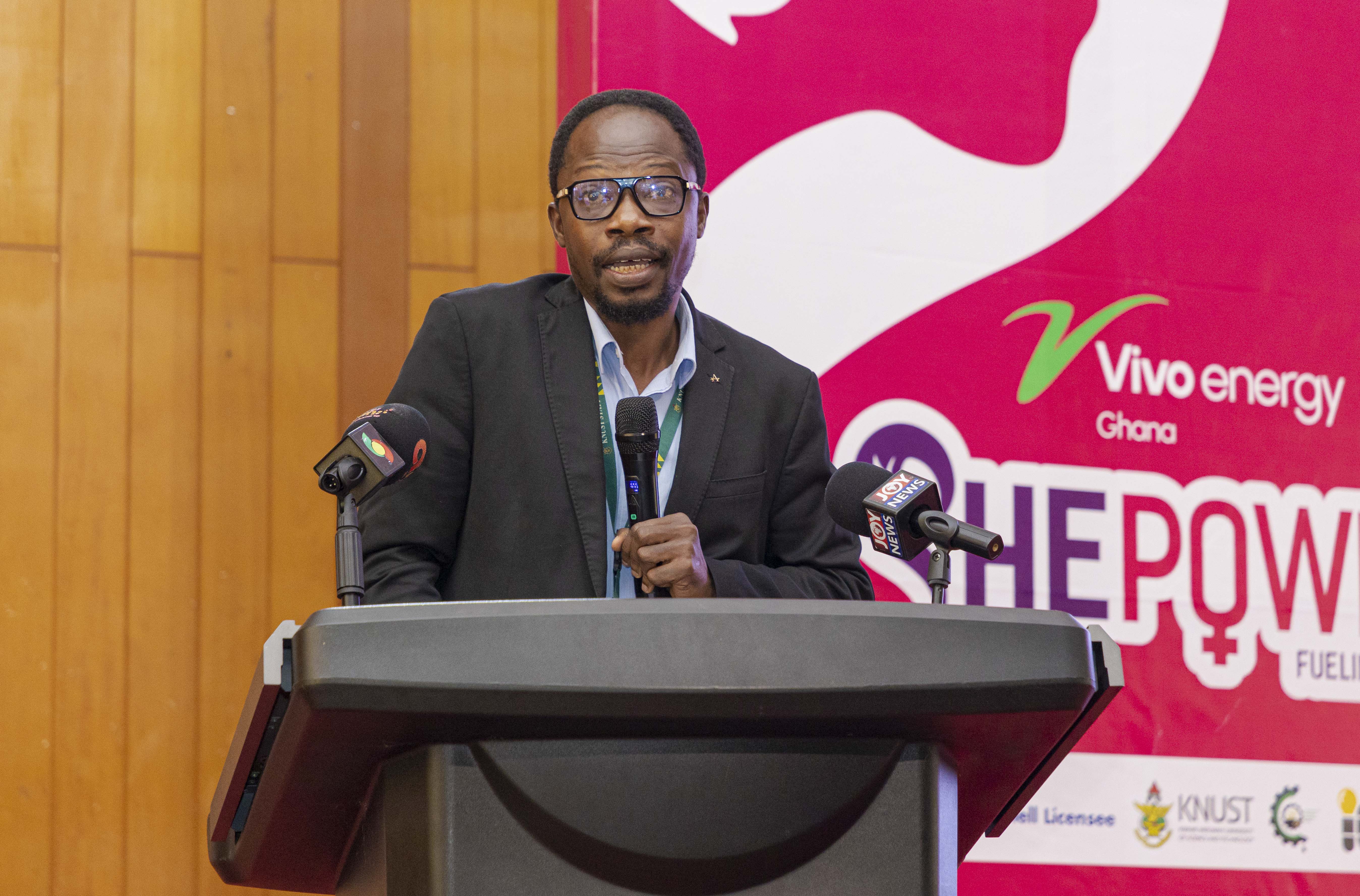
Delivering the keynote address, Director of the Brew-Hammond Energy Centre at KNUST, Professor David Ato Quansah, said access to energy remains central to economic and human development. He noted that while innovation is essential to solving energy challenges, it must begin with a clear understanding of the scale of the problem.
“We cannot innovate if we do not understand the challenge at hand,” he said.
Prof. Quansah also highlighted the persistent gender gap within the energy sector. Citing data from the International Energy Agency, he said women constitute only about 20 percent of the global energy workforce, underscoring the need for deliberate policies to improve gender representation.
“Changing this narrative will not happen by chance. It requires conscious and deliberate efforts at mainstreaming and integration,” he said.
Prof. Quansah also highlighted the work of the Brew-Hammond Energy Centre, which brings together multidisciplinary experts across the university to conduct research, training and advisory services in areas such as renewable energy, green hydrogen, electric mobility and energy policy.
Managing Director of Vivo Energy Ghana, Mr. Christian Li, recounted a personal encounter that highlighted the importance of initiatives such as the She Power programme and encouraged students to pursue careers in the energy sector and contribute innovative ideas to the industry.
“You don’t just have a space in the energy sector; the future of energy belongs to you and depends on you,” he told participants.
He said the global shift towards energy transition, sustainability and digitalisation requires fresh thinking and diverse perspectives.
“The energy sector needs engineers, problem-solvers, innovators and women who are ready to step forward confidently,” he added, urging students to embrace their potential and take leadership in shaping the future of the industry.
By: Belinda Opoku Danso


